Trading Basics For Beginners How To Start Successfully
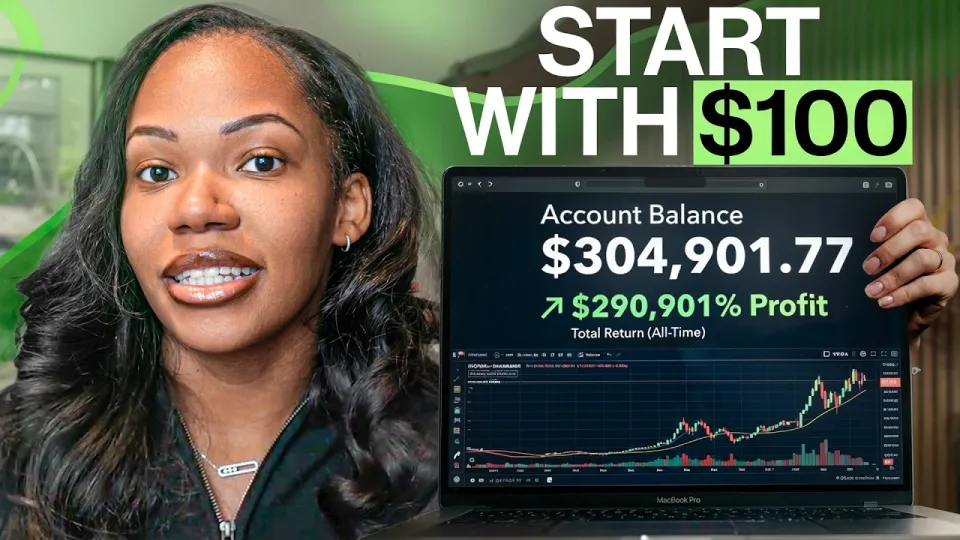
Video: How To Start Trading As A Beginner In 2026 (Step-by-Step)
You can order the same kind of articles for your own video to boost it on YouTube and Google. Just message the Telegram bot @sat_sit_bot. Articles with your video embedded are written and posted by the bot itself — on popular topical sites (no ads). Your first 50 articles are free.
Trading is the process of buying and selling financial instruments like stocks, options, or futures to make profits from market movements. Starting trading as a beginner requires a clear understanding of what trading really is, the risks involved, and how to approach it with a step-by-step plan. For those looking to start, joining communities like the Crystal Academy trading Discord can provide valuable mentorship and support: https://whop.com/c/crystal-academy/youtube.
What Trading Actually Means and What It Is Not
Trading involves speculating on price changes of various assets within short or longer time frames. It is not a get-rich-quick scheme or gambling. Successful trading requires education, preparation, and risk management. Unlike investing, which often focuses on long-term growth, trading seeks to capitalize on short-term price fluctuations. Beginners should understand this distinction clearly to set realistic expectations.
Understanding Options Trading: Calls vs Puts
Options are contracts giving the right, but not obligation, to buy or sell an asset at a specific price before a certain date. Calls give the right to buy, while puts give the right to sell. Knowing how calls and puts work is fundamental to options trading. Options offer flexibility but carry risks such as time decay and volatility. Beginners should learn these basics in plain English before committing real funds.
Choosing Between Options and Futures Based on Your Schedule
Options and futures are different derivative products. Futures contracts obligate the buyer/seller to execute the trade at contract expiration, while options provide the choice without obligation. Options trading can be more flexible and suitable for traders with limited time. Futures often require more capital and risk tolerance. Assess your daily availability and risk appetite to decide which fits your lifestyle better.
Essential Trading Platforms for Beginners
Using the right tools can make trading smoother. Webull is a popular broker for beginners due to its user-friendly interface and commission-free trades. TradingView offers powerful charting and analysis tools suitable for all skill levels. Both platforms combined allow beginners to execute trades and analyze market data effectively. Starting with these platforms can help you build confidence and skills.
Mastering Three Core Trading Concepts
Before risking real money, mastering these three concepts is crucial:
- Market Structure: Understanding trends, support, resistance, and how markets move.
- Reading Candlesticks: Learning how to interpret price action visually.
- Risk Management: Setting stop losses, position sizing, and preserving capital.
- Without grasping these, beginners risk losing money quickly. Paper trading can help internalize these concepts practically.
Common Beginner Challenges and How To Overcome Them
Most beginners quit within the first two months due to losses, emotional stress, or lack of a clear plan. Common pitfalls include chasing quick profits, overtrading, and neglecting education. To avoid this, start small (recommended $300–$2,000), use paper trading to build consistency, and develop patience. Trading psychology plays a major role; managing emotions and expectations is key to long-term success.
Frequently Asked Questions About Trading
Is it possible to start trading with less than $1,000?
Yes, many beginners start with $300 to $2,000. Smaller accounts require strict risk management and smaller position sizes.
How long does it take to become consistently profitable?
Consistency varies; most traders take months to years. Paper trading first can accelerate learning without financial risk.
What is the difference between day trading and investing?
Day trading involves buying and selling within the same day to profit from short-term moves. Investing focuses on long-term asset growth.
Are options more suitable than futures for beginners?
Options offer more flexibility and limited risk (premium paid), making them generally more beginner-friendly than futures, which require higher capital and involve obligations.
Useful Links
- Join the Crystal Academy trading Discord for mentorship and resources: https://whop.com/c/crystal-academy/youtube
- Open a Webull account and get free stocks: https://www.webull.com/k/SierraUSA
- Follow Sierra Aaliyah on Instagram: https://www.instagram.com/sierra.aaliyah/
- Follow Sierra Aaliyah on TikTok: https://www.tiktok.com/@sierraxliyah
Conclusion
Starting to trade successfully requires a solid foundation in understanding what trading entails, mastering the basics of options and futures, choosing the right platforms, and developing critical skills like market analysis and risk management. Patience and realistic expectations are vital to avoid early quitting. Sierra Aaliyah’s approach emphasizes learning first through paper trading, starting small, and joining supportive communities like the Crystal Academy Discord. Following these steps can help beginners build confidence and work toward consistent profitability in trading.
Key takeaways
- Start trading with $300–$2,000 recommended capital.
- Understand difference between calls and puts in options trading.
- Use paper trading to practice before risking real money.
- Webull and TradingView are popular platforms for beginners.
- Trading requires patience and risk management to avoid quitting early.
Questions & answers
Can I start trading with a small amount of money?
Yes, beginners can start trading with as little as $300 to $2,000. Starting small helps manage risk and learn without large financial exposure.
How long does it take to become profitable in trading?
Becoming consistently profitable varies per individual, often requiring months to years. Using paper trading to practice can speed up the learning process.
What is the difference between day trading and investing?
Day trading involves buying and selling assets within the same day to capitalize on short-term price moves, while investing focuses on holding assets long-term for growth.
Are options trading better for beginners than futures?
Options trading is generally more beginner-friendly because it offers the right, but not the obligation, to buy or sell, limiting risk to the premium paid. Futures require larger capital and have binding contracts.
Source: How To Start Trading As A Beginner In 2026 (Step-by-Step) · Markdown version